
This is Aalto. A Professional theme for
architects, construction and interior designers
Call us on +651 464 033 04
531 West Avenue, NY
Mon - Sat 8 AM - 8 PM
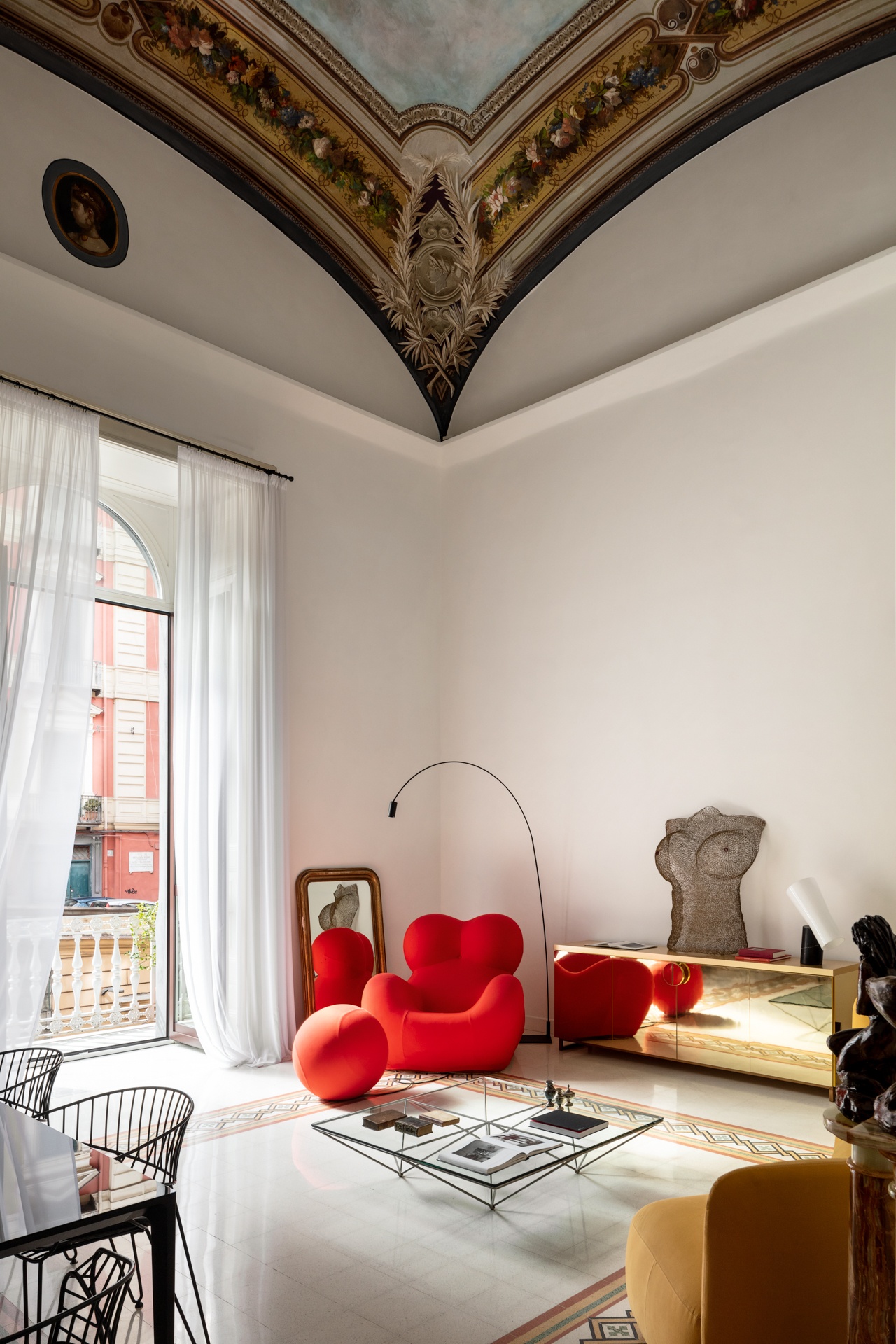
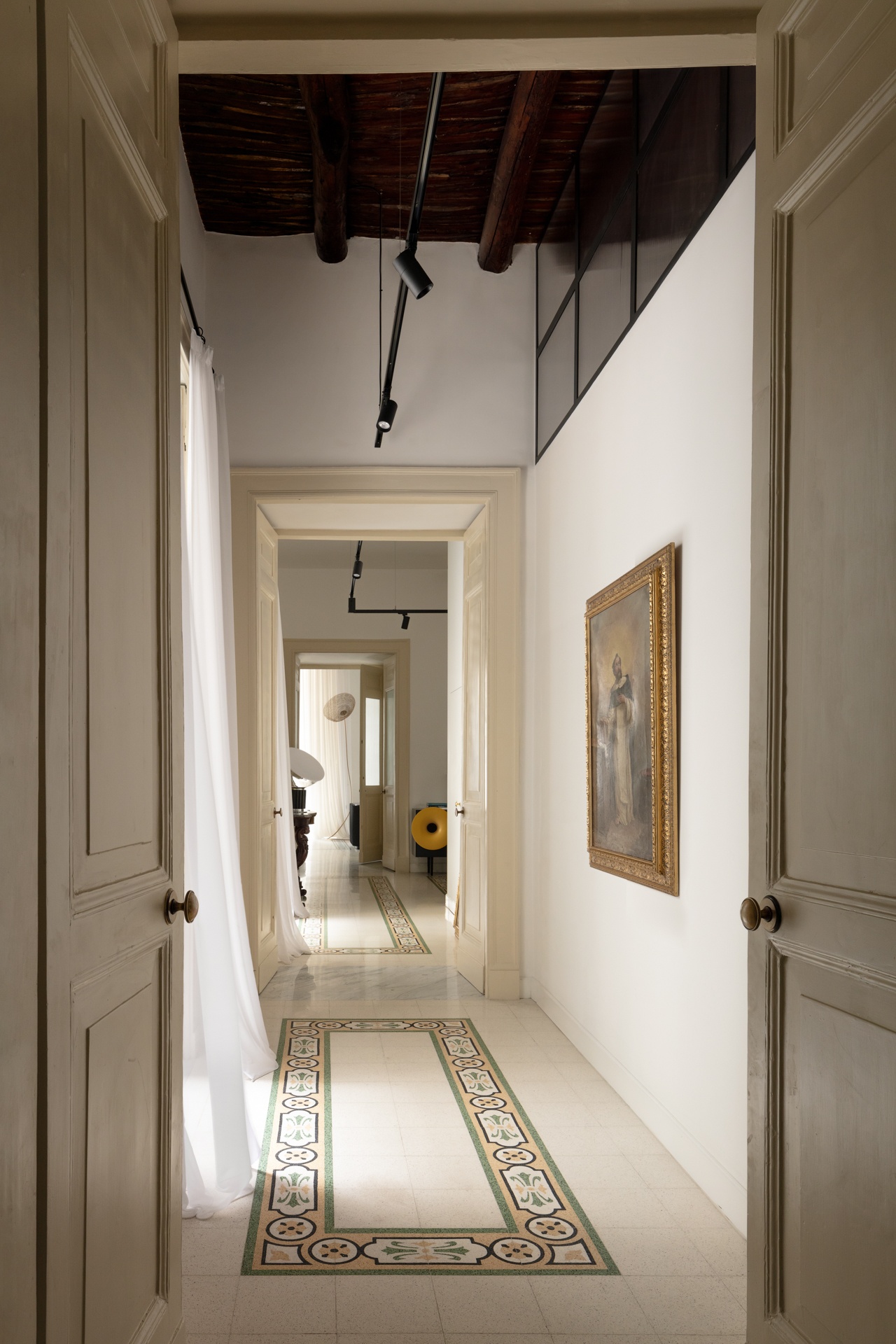
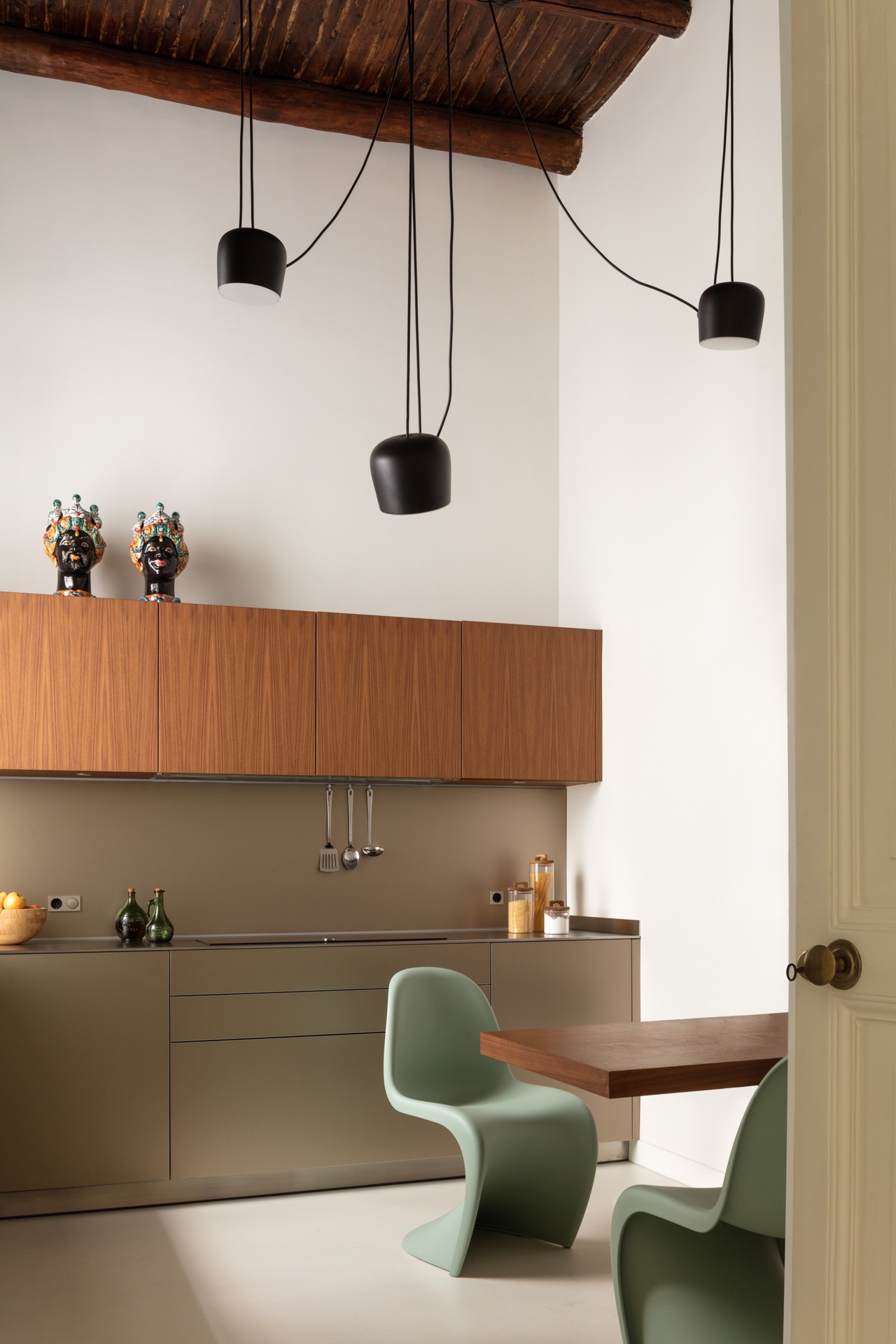
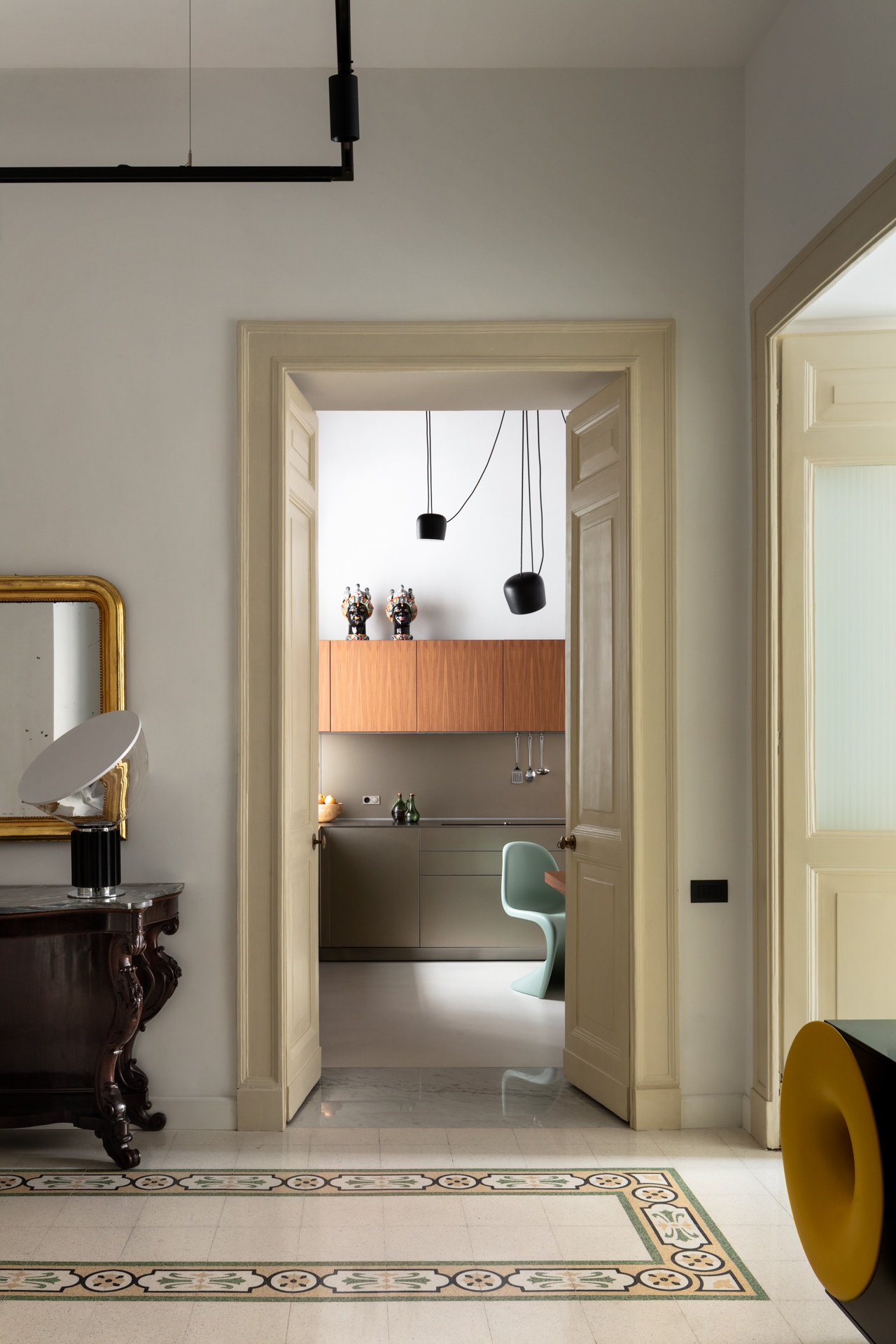
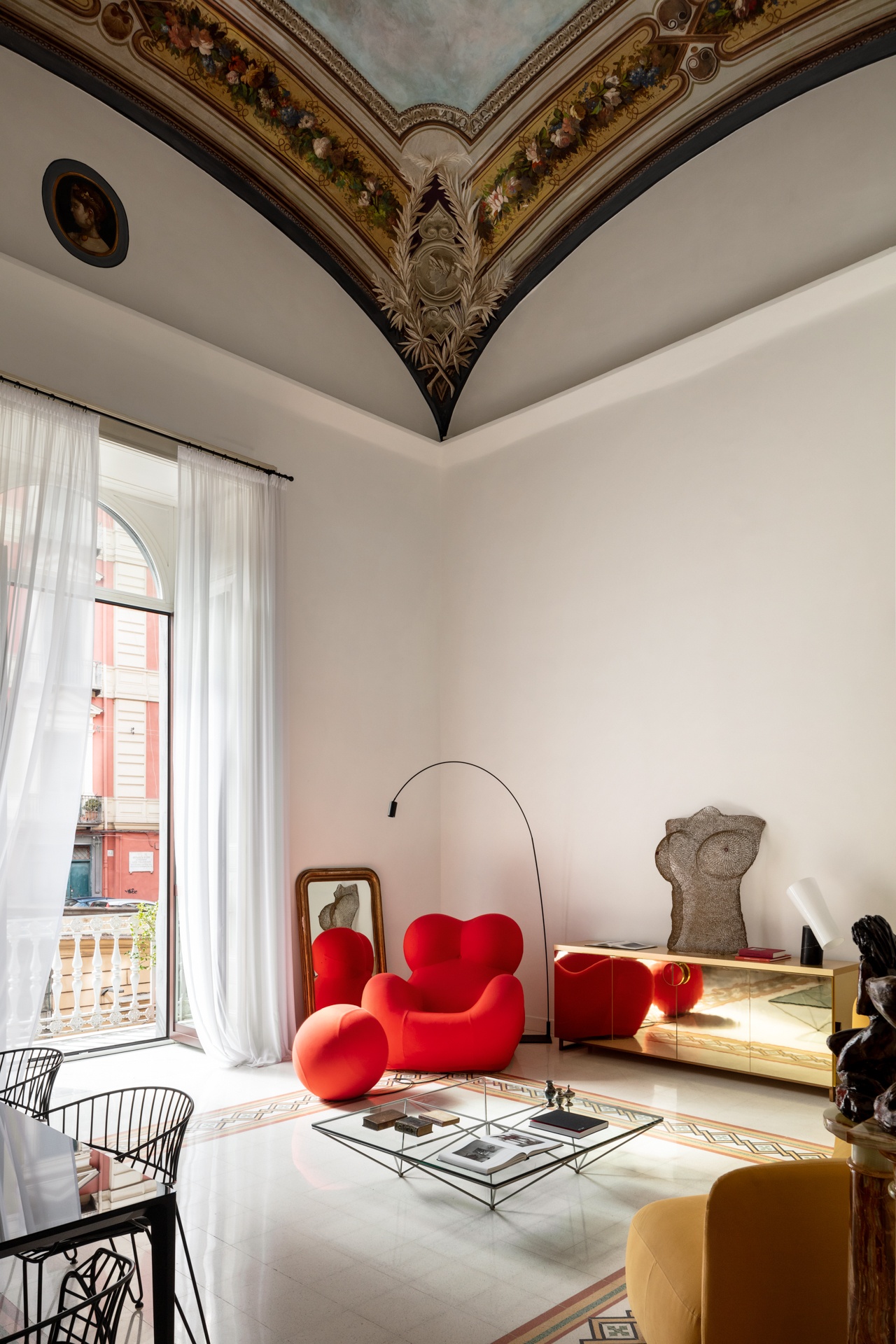
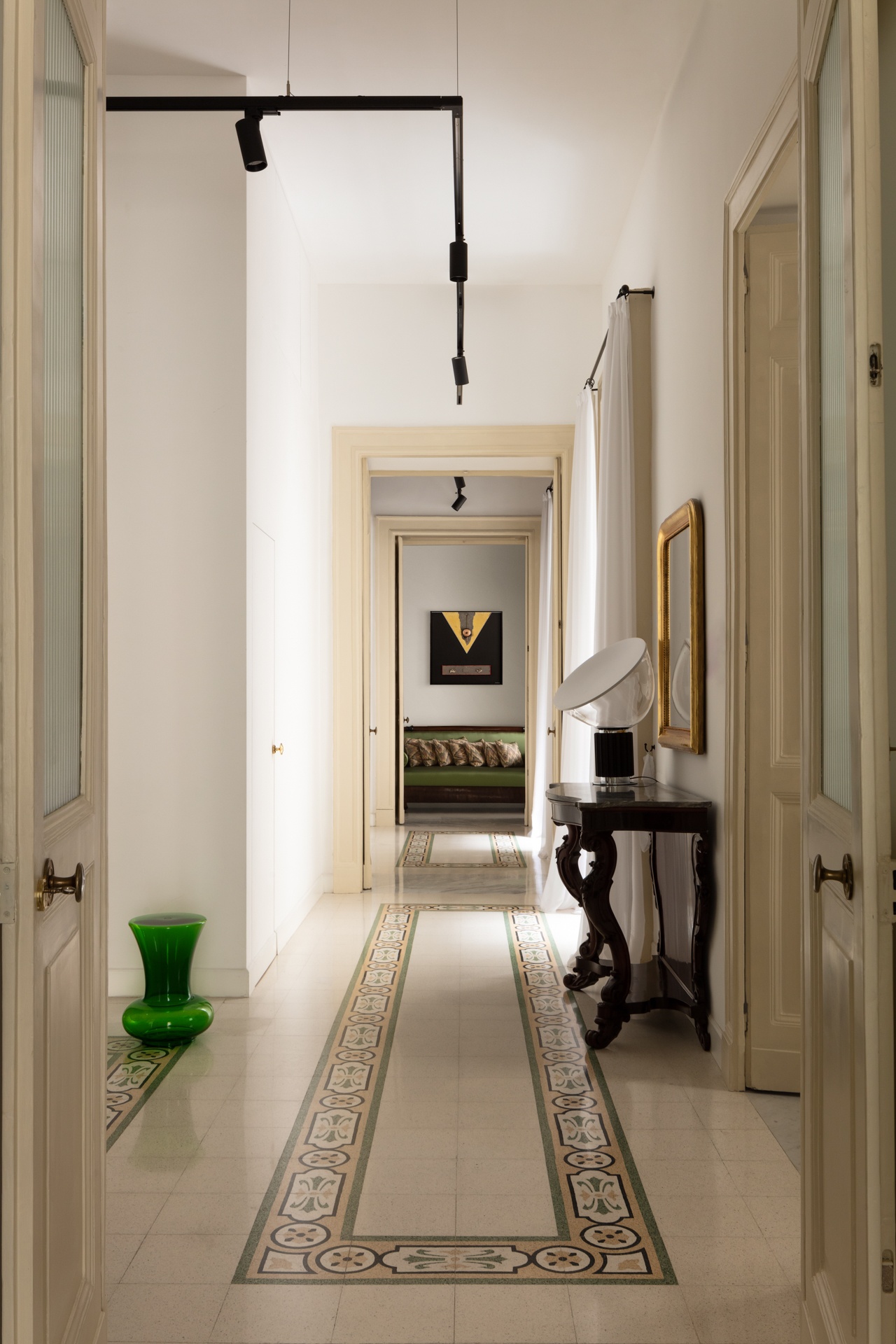
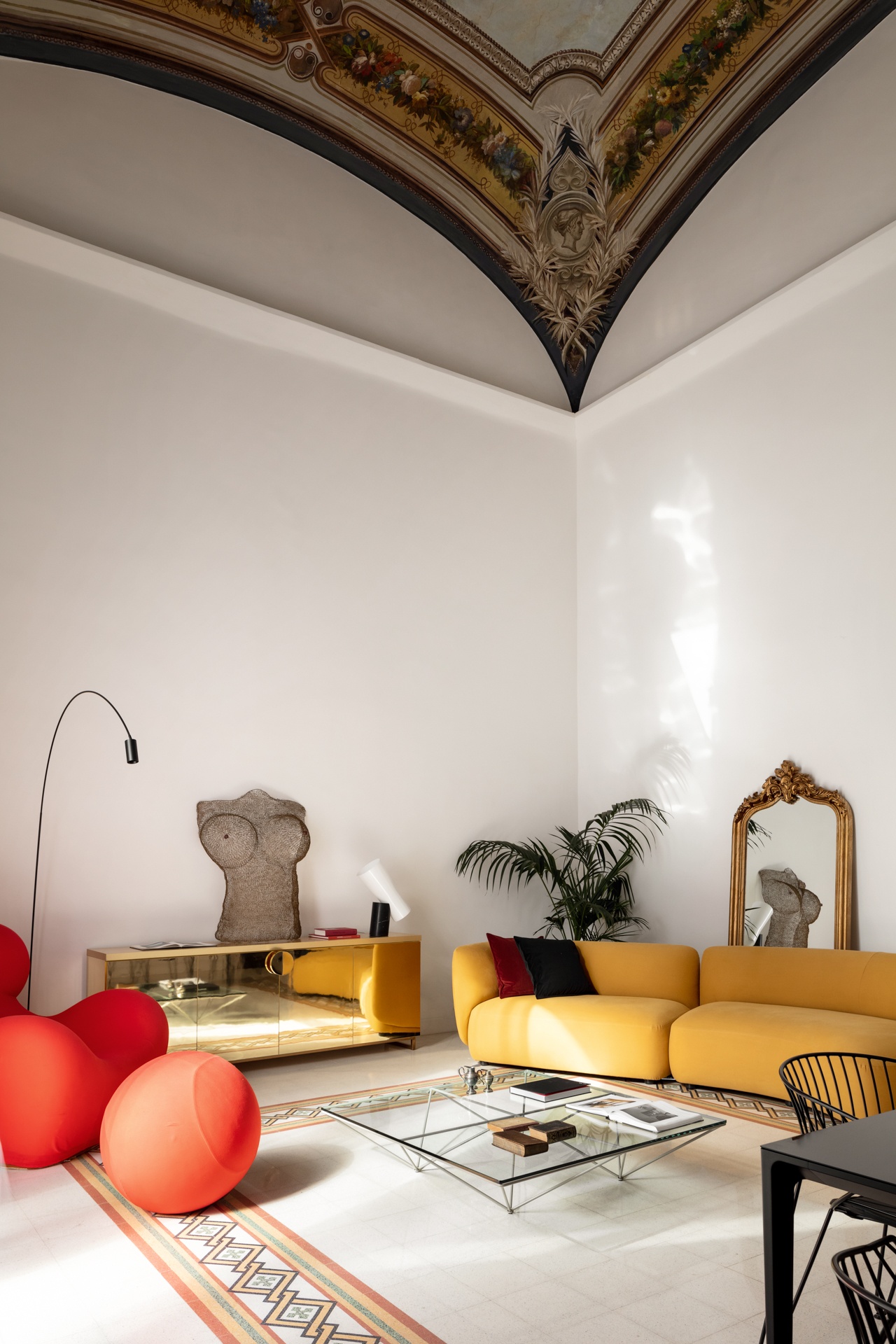
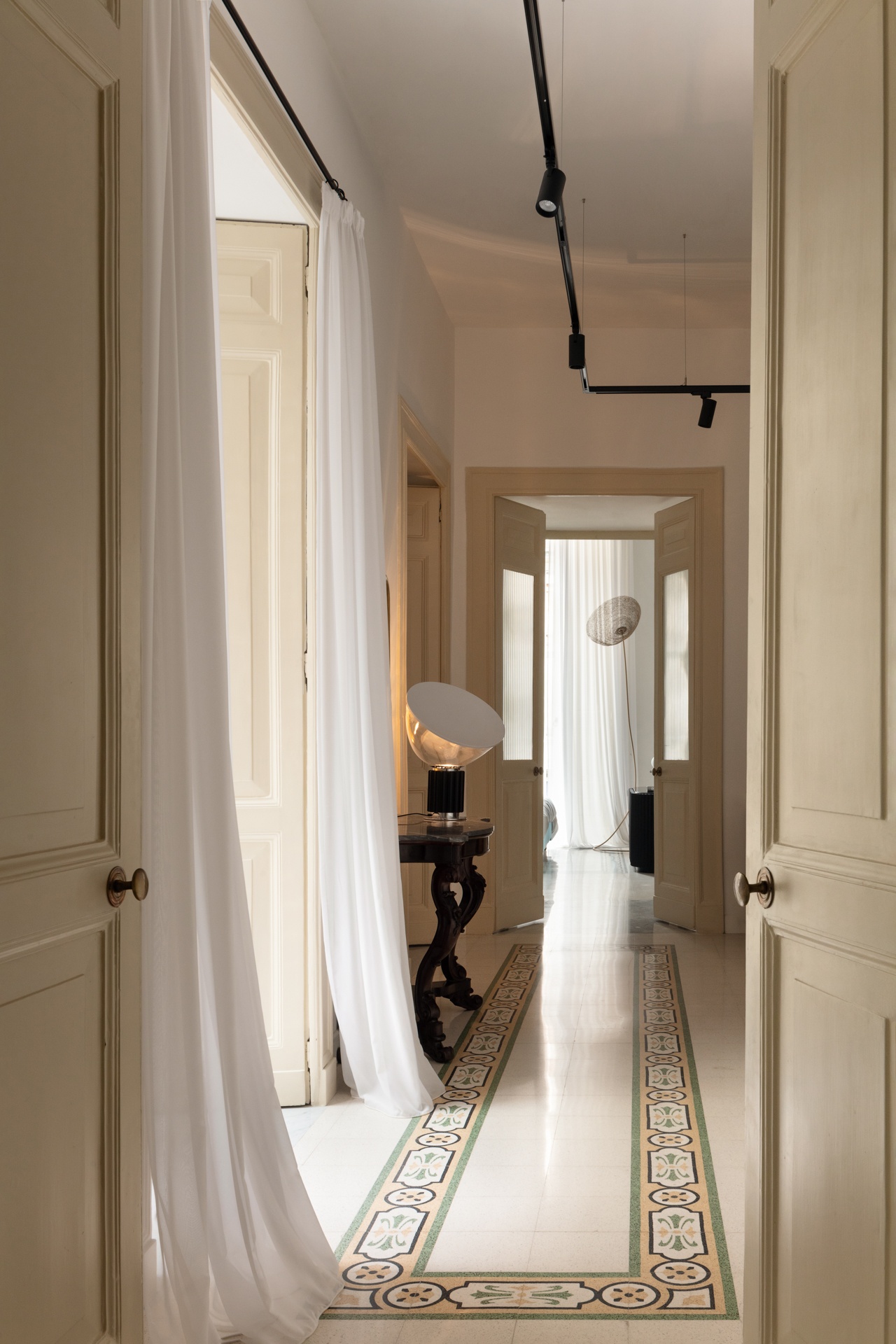
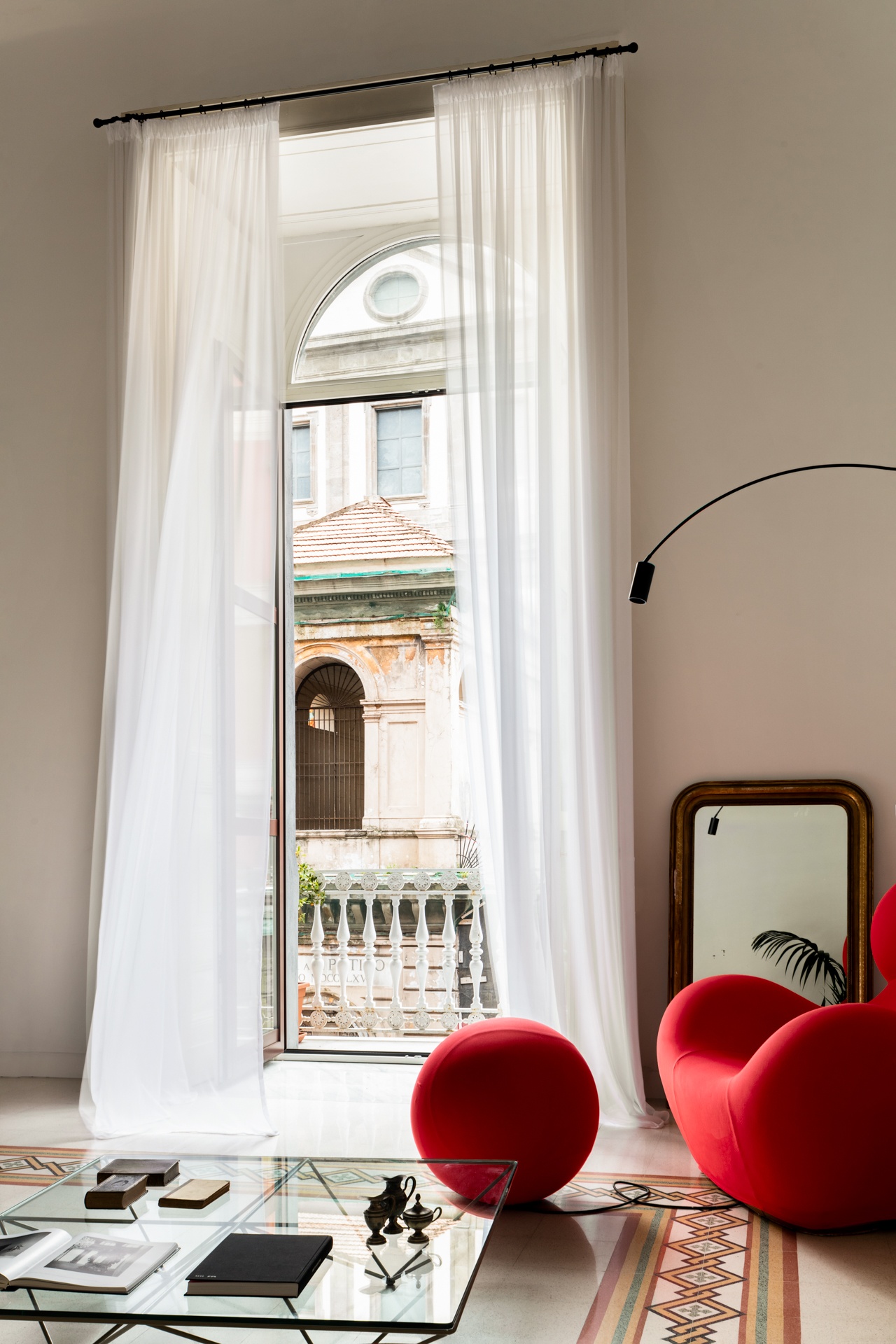
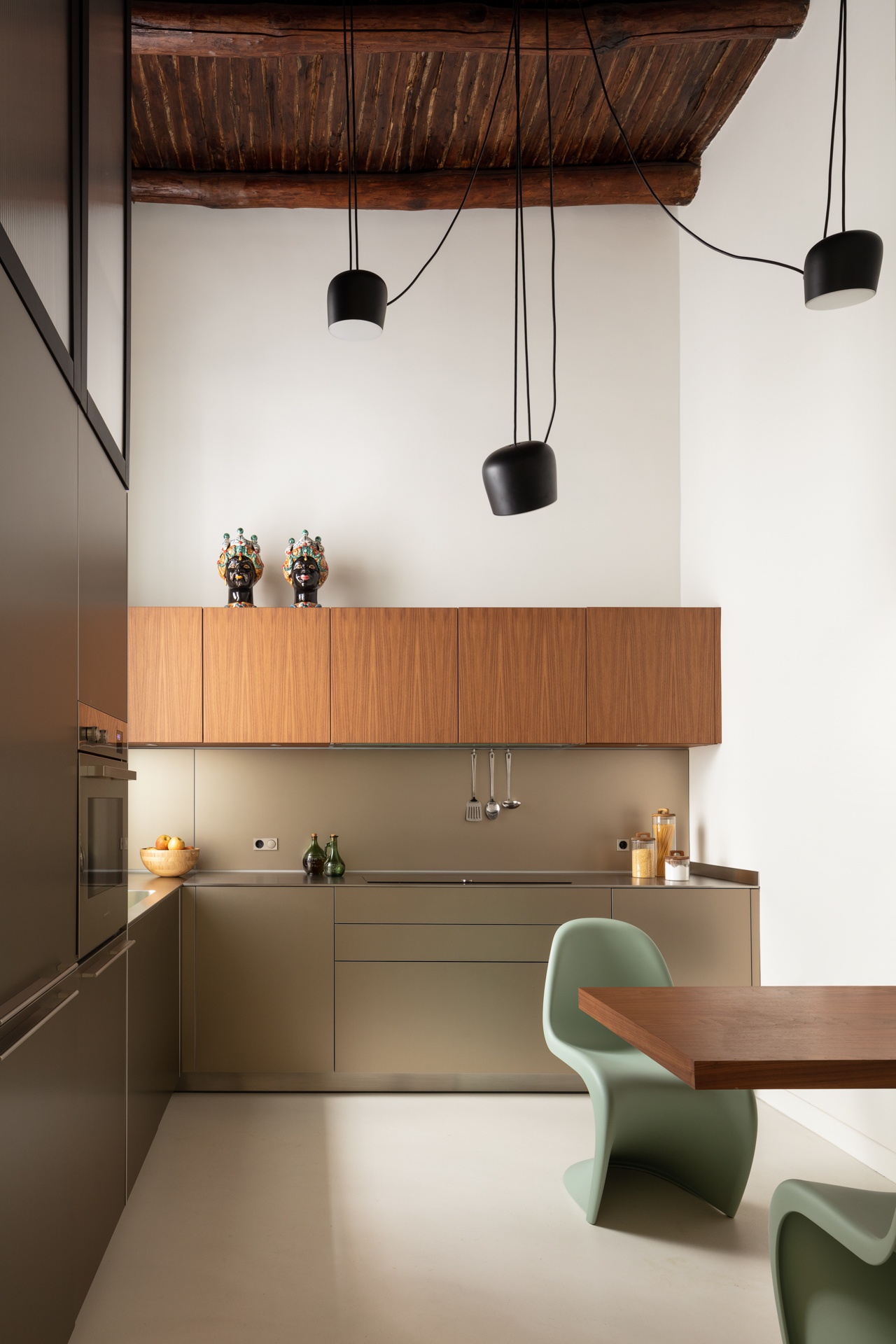
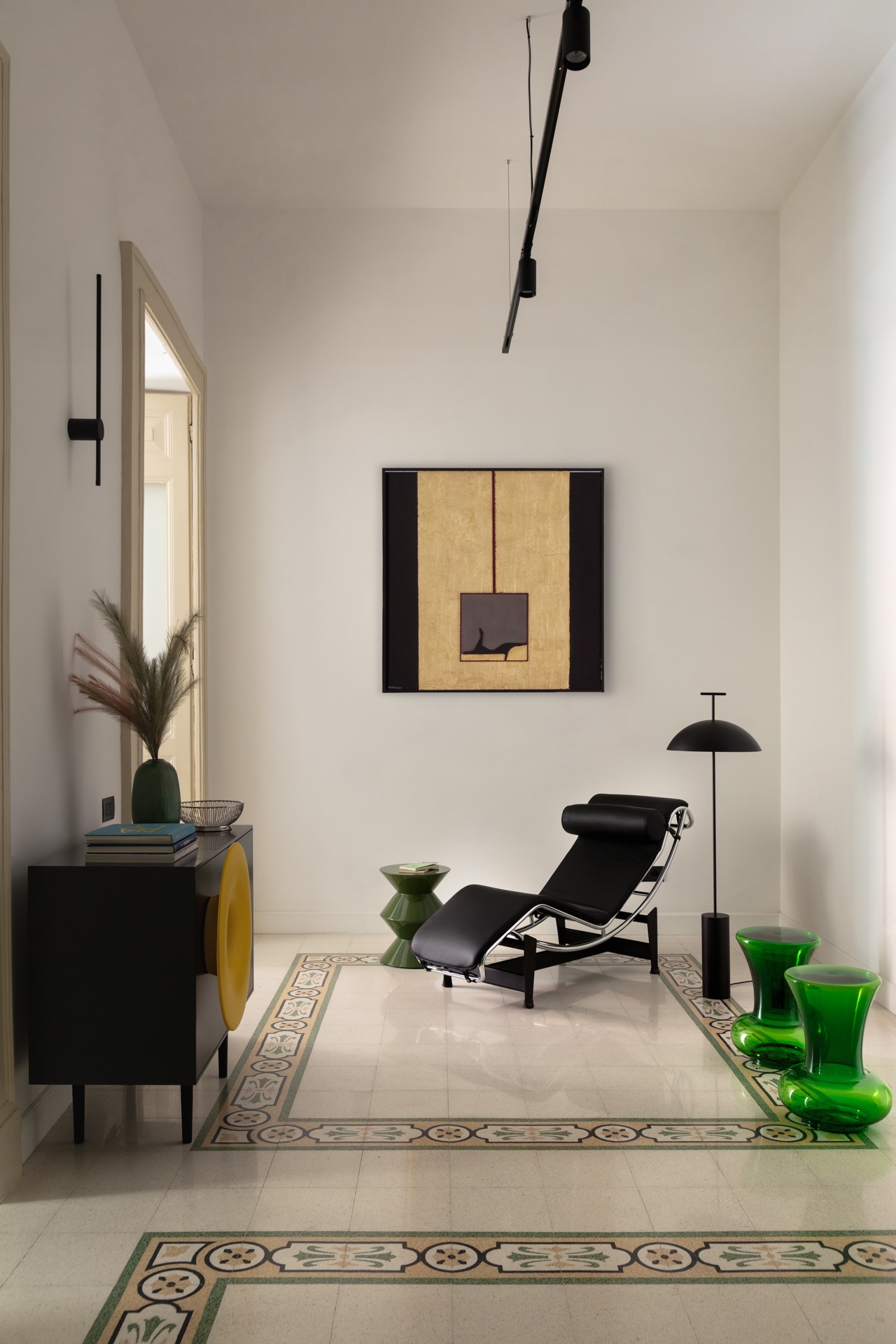
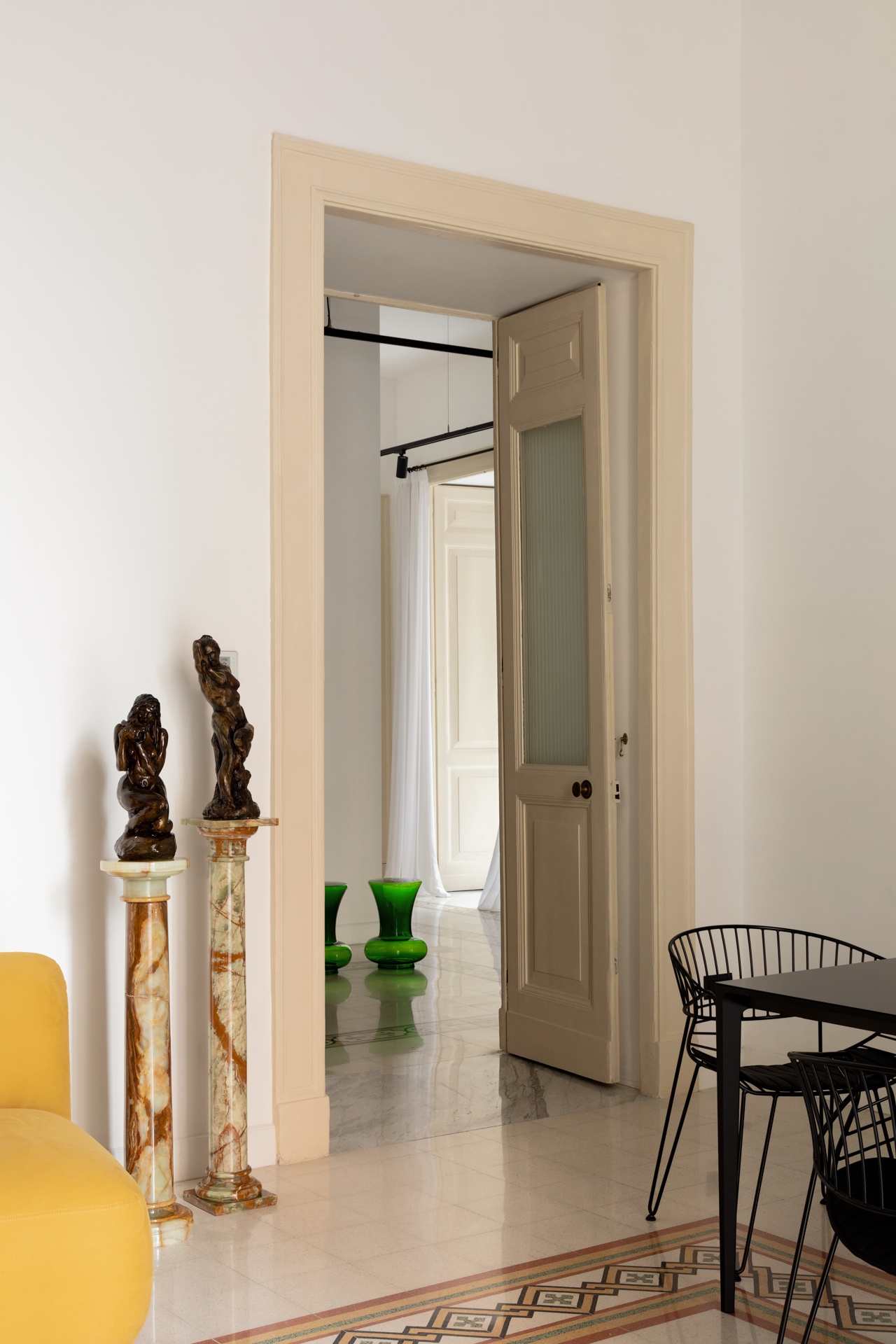
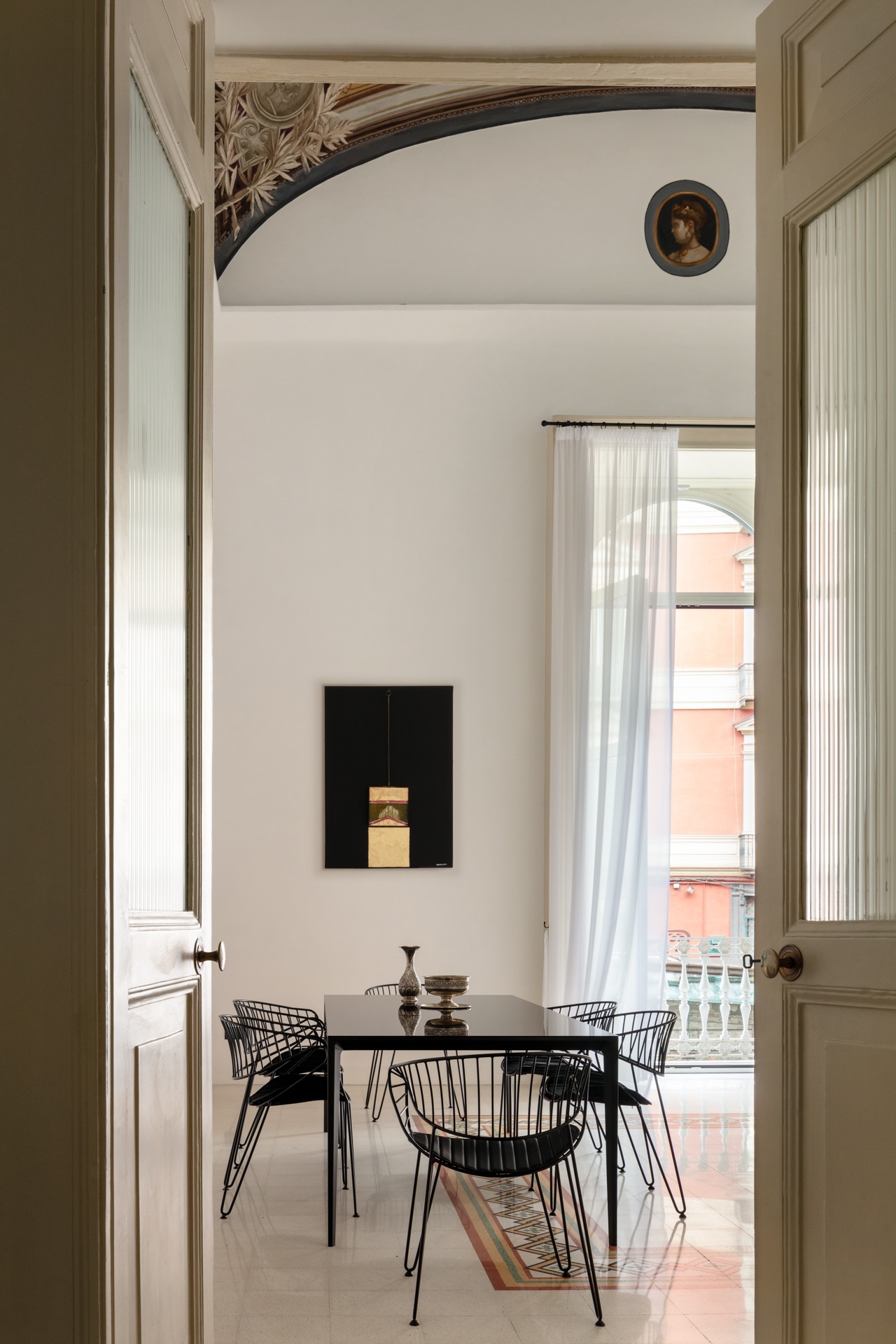

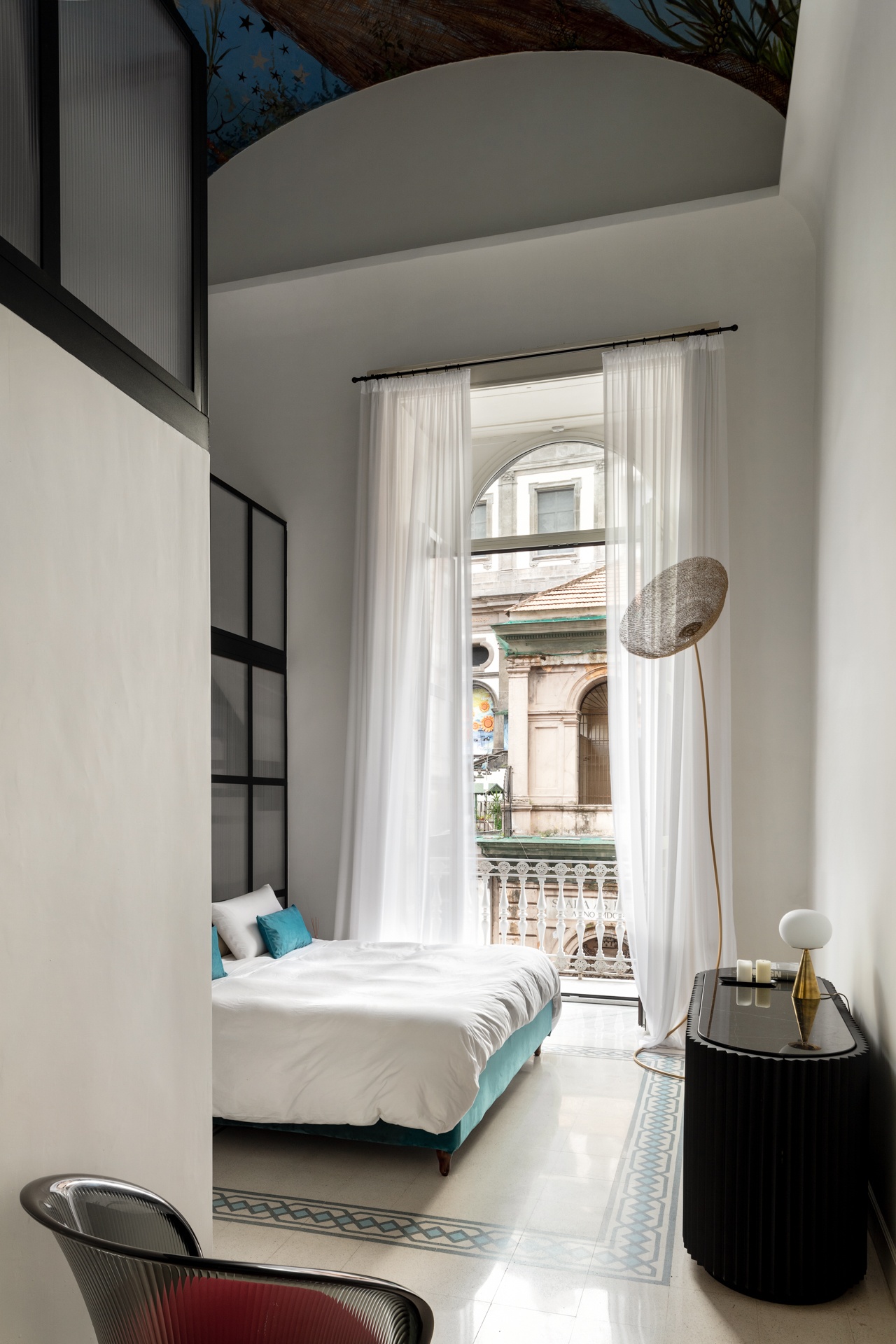
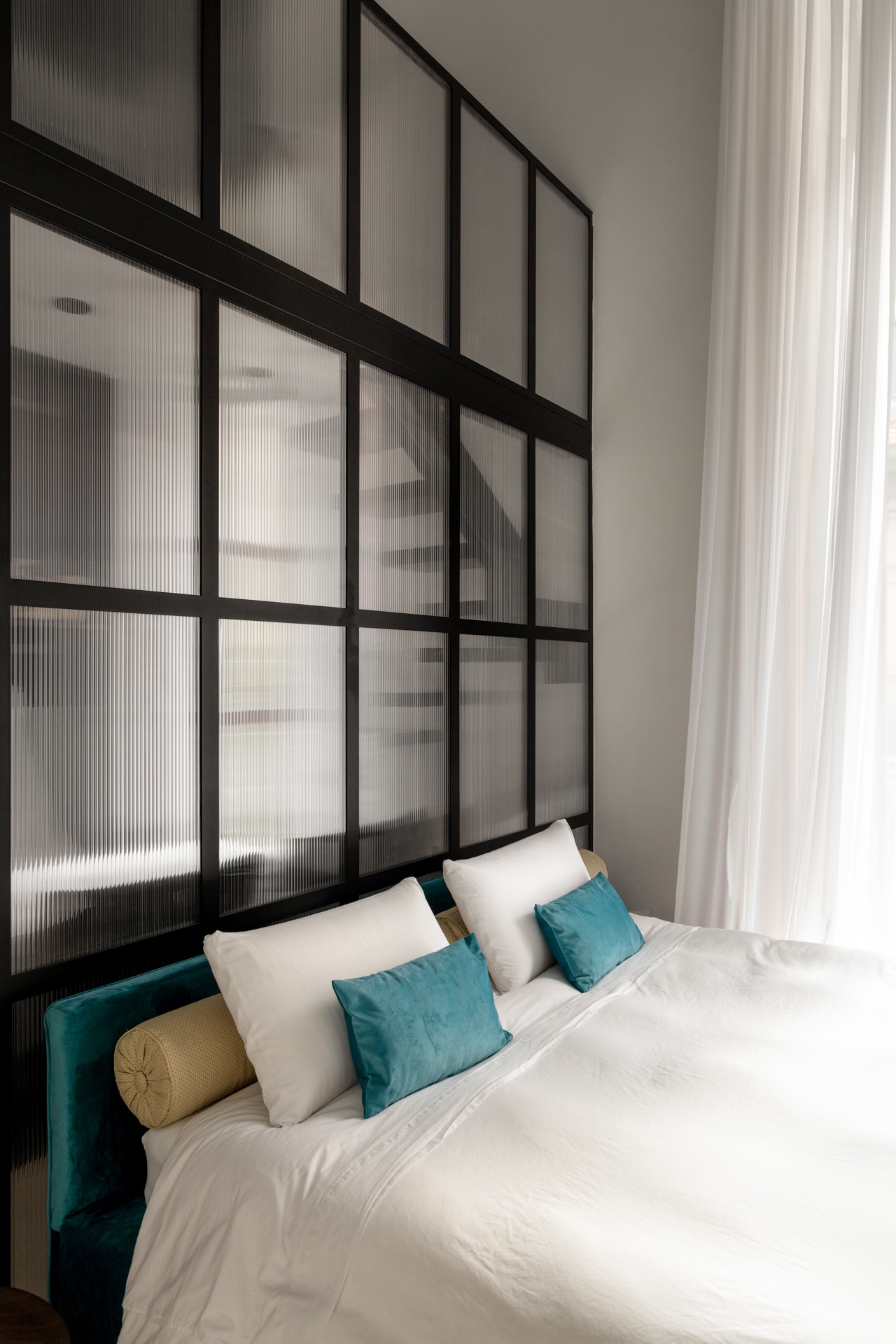
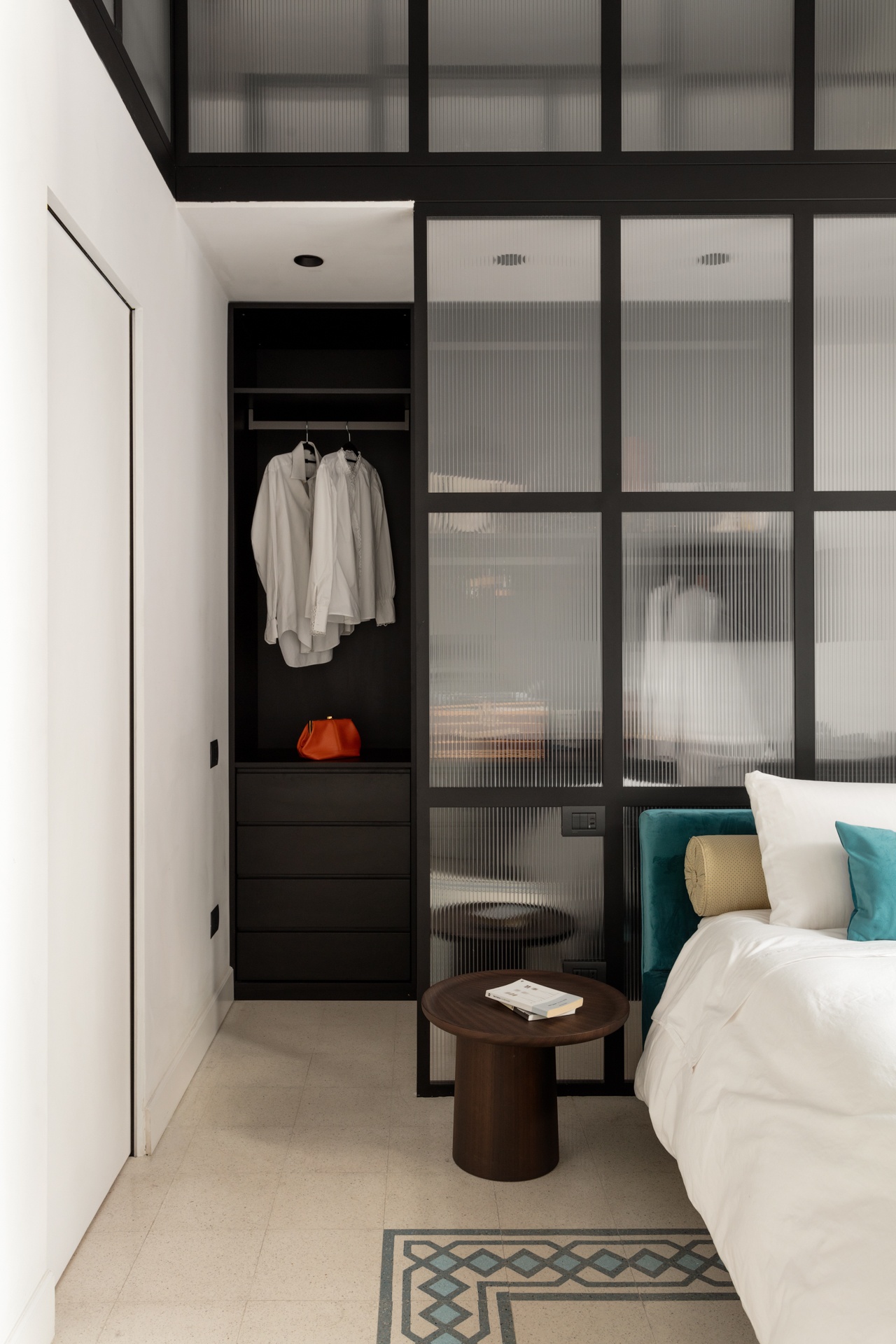
In Naples, in Via Broggia 3, on the corner between the National Museum and the Academy of Fine Arts, clinging to the Principe Gallery, an imposing wooden door indicates the entrance to the“Palazzo Vitozzi”, a monumental nineteenth-century Neapolitan palace, built in conjunction with the Gallery following the urban reorganization works that affected the so-called Museum District. Positioned at the end of the courtyard, the imposing statue ofS. Gaetano Thiene,and a wonderful story about its ancient or precious origins could already begin on the latter, but for the sake of brevity we will limit ourselves to mentioning only its discovery during a nineteenth-century excavation which obliges, considering the authority of the Saint, its positioning in exactly the same place. It certainly came from one of the city gates existing in the viceregal period, demolished between the 18th and 19th centuries.
On the third floor of this historic building, we come across apartments and rooms from other times, living rooms and bedrooms, with completely painted attics and vaults, in a closed noble apartment that has been abandoned for a long time, with an indisputable and admirable beauty, but neglected and violated in its genomic characteristics by structural damage, neglect and above all by the lack of historical-architectural culture.
We open the blinds and the large windows of the balconies overlooking Via Pessina, the frescoes on the vaults begin to breathe again, air and light, raising our eyes to the sky, our gaze unfortunately focuses on enormous lesions that cross the entire painting, due to a structural failure of the façade of the Principe Gallery, subsequently secured with the chaining technique, with “chains” that inevitably cross from one side of the rooms to the other.
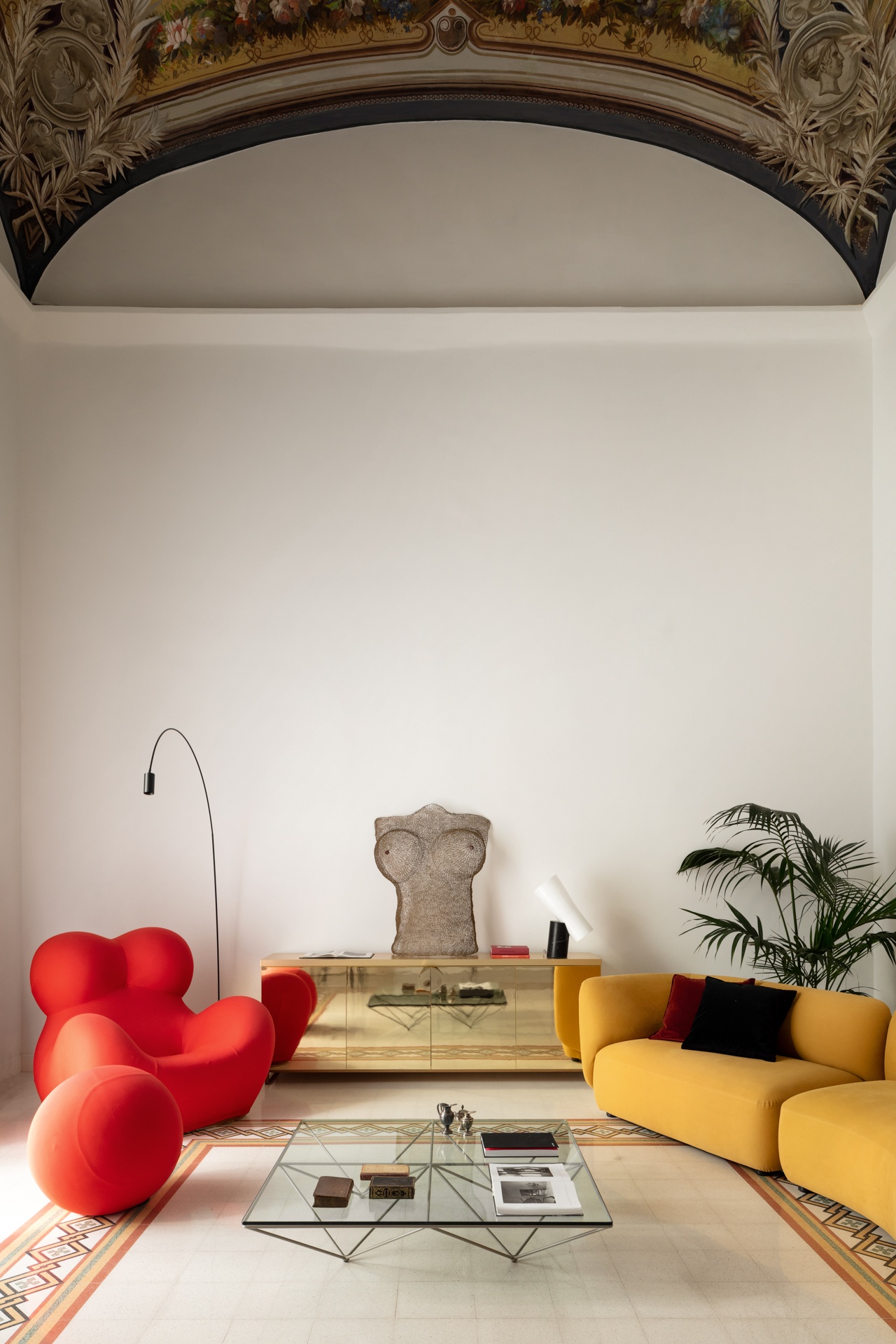
The vault of the living room
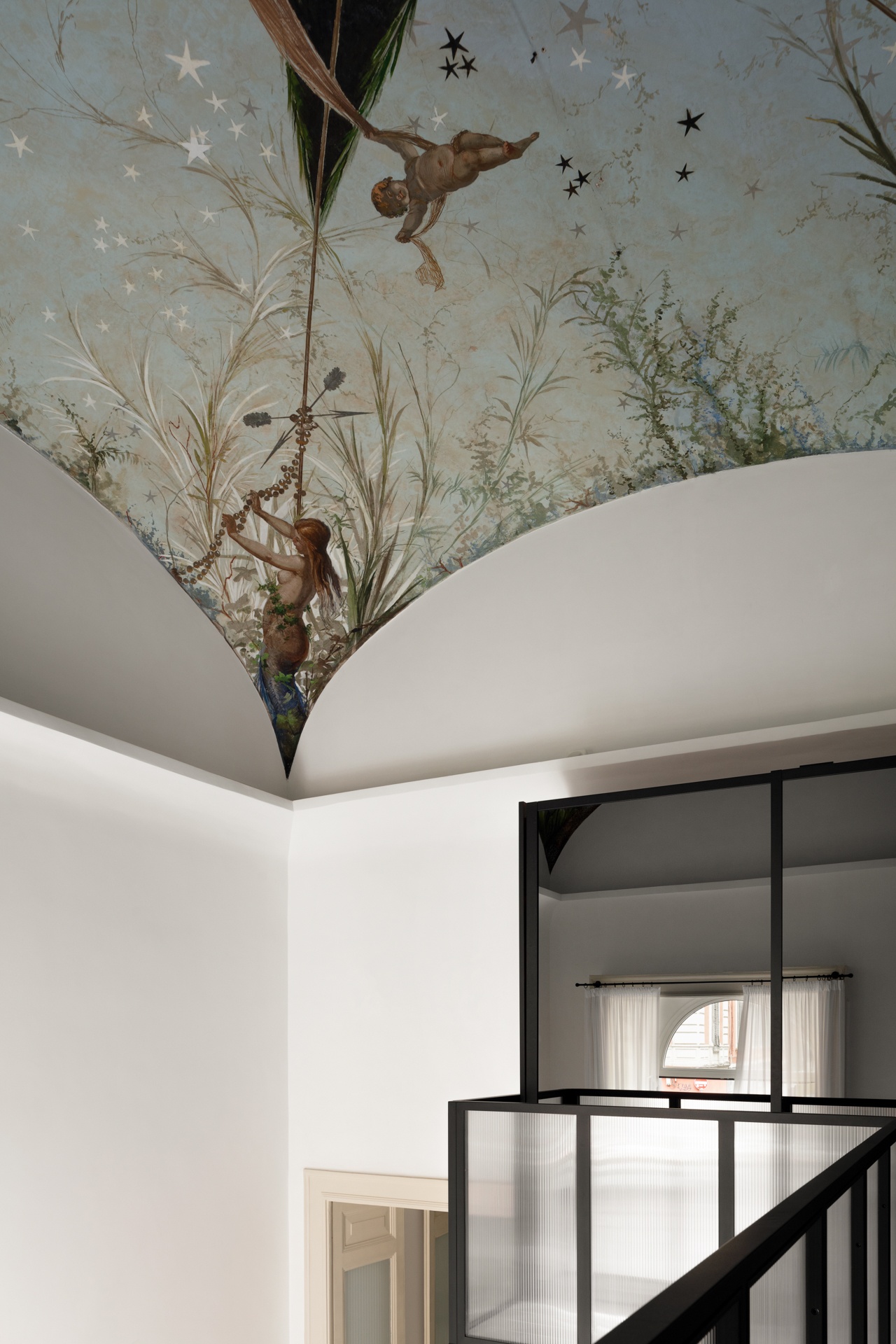
The fresco placed high on the ceiling, in a vaulted arch, (created by an unknown author) frames with symmetrical figures, placed in the corners and a border of flowers surrounded by geometric lines, which enclose “a Venus and her cupid” in a sky of infinite pastel shades
In this work the comely goddess is accompanied by love, portrayed in her cupid with a long spear in his hands. A clear reference to the gift of love, of the portraits placed below of him and her, two young faces observing each other from a distance in an oval frame with a dark and gold background.
A gift to the love between the two, to their sweetness, to their youth and to the painful stings that only love reserves. The portraits placed below underline this transience, as well as the transitory nature of the favors of Venus, depicted here in the guise of a lady, with a sinuous, harmonious and dancing body, dressed only in a refined veil and a precious crown of flowers which she carries as a gift in her hands.
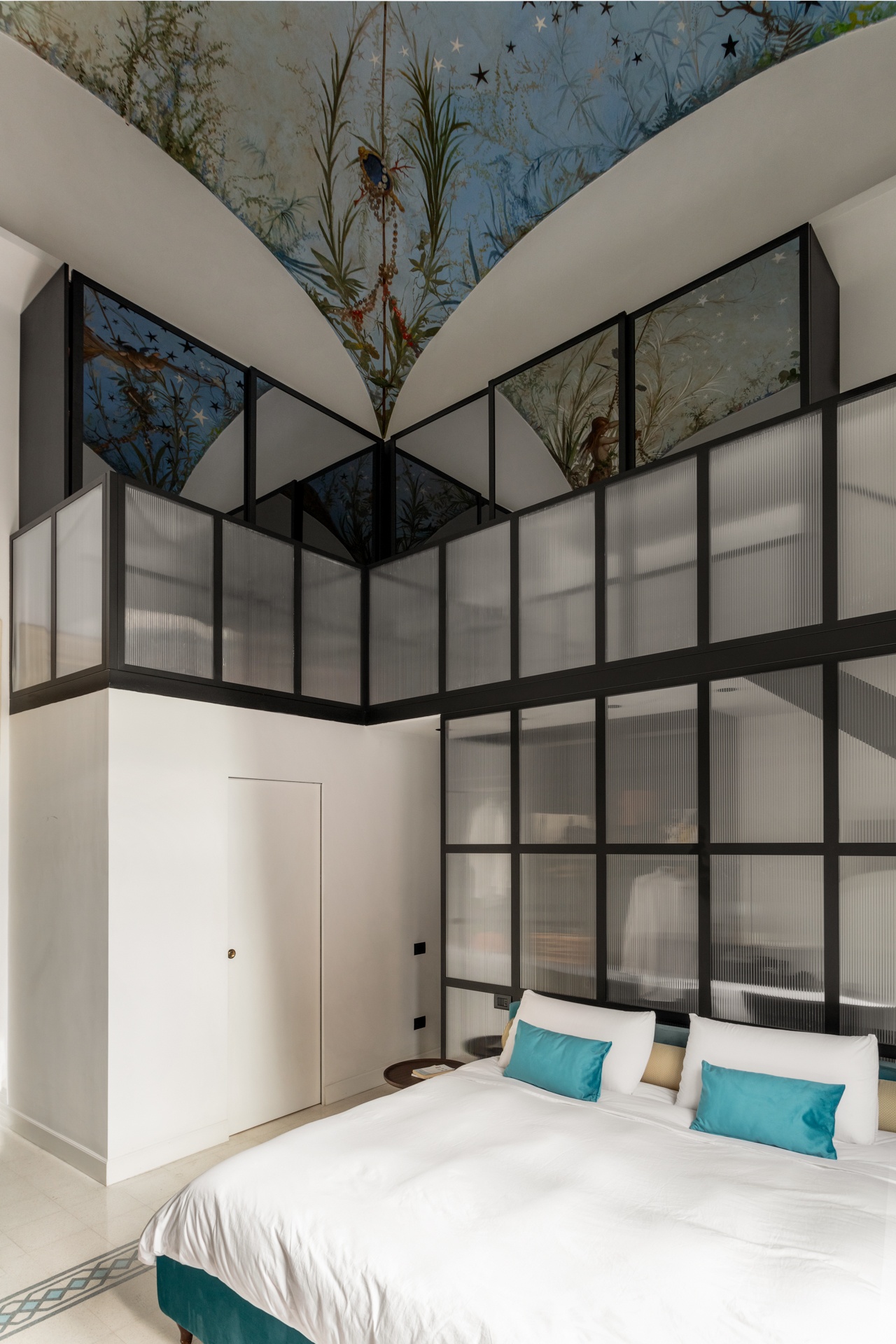
The vault of the bedroom
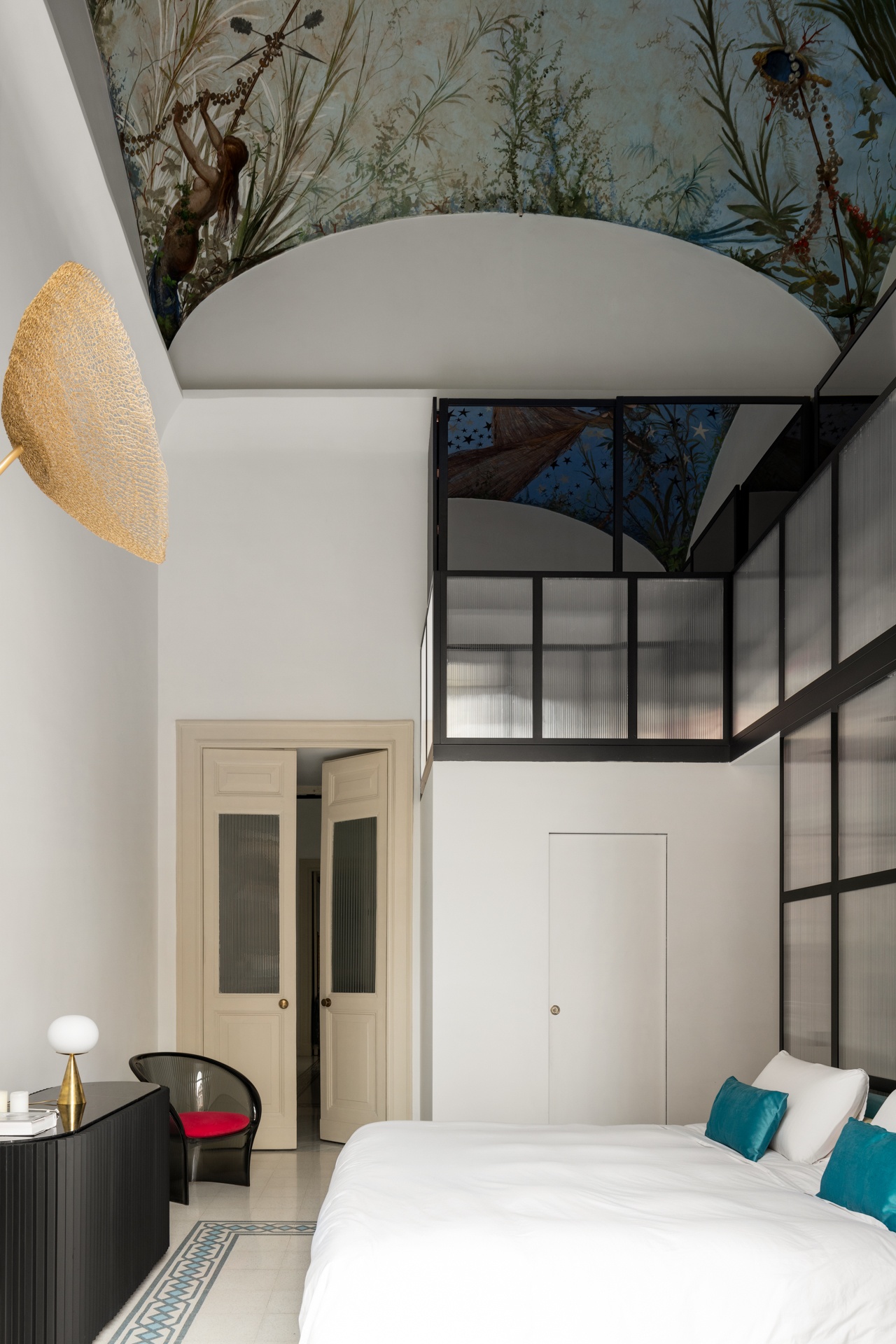
Does the mystery remain, which the bedroom also hides, enclosed in a square ending in a vault, divided into corners made up of triangles, the main points of orientation in navigation, an esoteric meaning?
The sun, the moon, the day, the night, the polar star, the stars, the enveloping eye of the supreme being, putti, angels, placed high in gathering a net.
A network of suggestive mysteries, perhaps of Masonic origin?
Contact the studio for a personalized consultation on Neuroarchitecture and residential well-being.