

Wellness Design
The implications of neuroscience for architecture
How does our brain respond to stimuli from the built environment?
Read the article
“We shape our buildings, then they shape us.”
—Winston Churchill
On average, we spend 90% of our lives inside buildings. Yet we rarely blame the walls when we talk about health.
Neuroscience reveals to us that physical space is never neutral. While you read, your brain processes invisible data: light regulates your sleep, the height of the ceiling regulates your abstraction, matter sends safety signals to the nervous system.
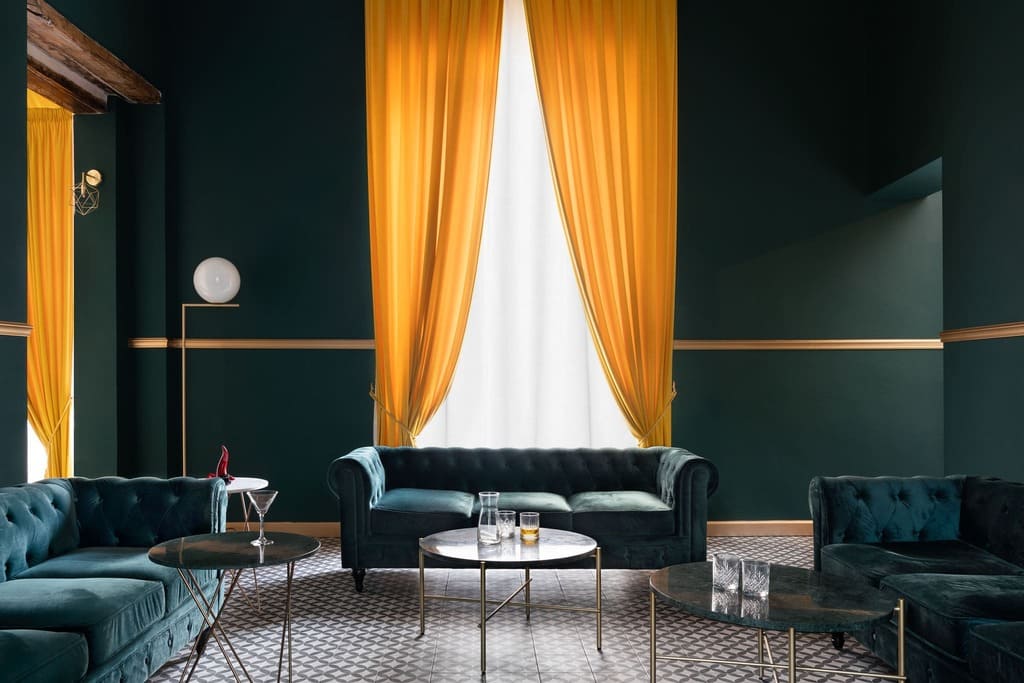
"L'architettura non è un fondale passivo, è un'estensione del nostro sistema nervoso."

Dal 2013, lo studio Antonio Di Maro & Partners analizza come le forme organiche riducano l'attività dell'amigdala, favorendo una percezione di sicurezza ancestrale.
We don't just design volumes, but biochemical responses: cortisol, oxytocin, dopamine. Design becomes a tool for cellular regeneration and mental rest.
Among the top 3 firms in Italy
Perceptual data from 2013
Neuro-Wellness Design
Insights and case studies on neuro-design.
How does our brain respond to stimuli from the built environment?
Read the article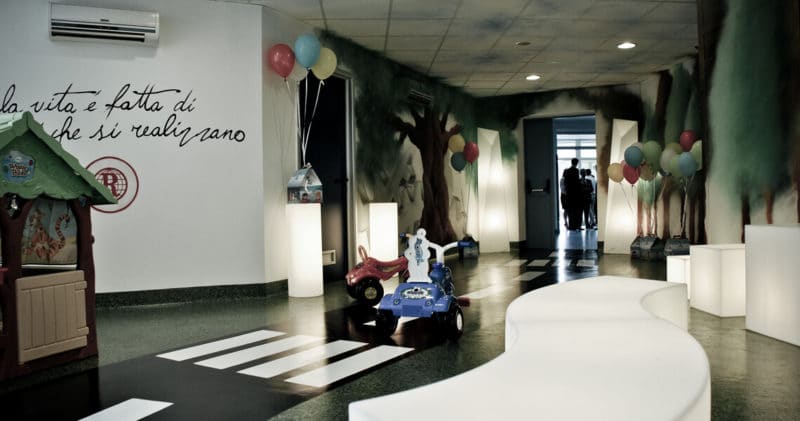
Redevelopment of the pediatric waiting room: architecture that heals.
Read the article
Building homes in the 21st century through green building and mental perception.
Read the article